The 2025 Forum
Co-producing safer care across Africa Eight connected conversations on quality improvement and patient safety.
“Healthcare reaches its full potential when improvement becomes everyone’s everyday work.”
The programme
Each session opened with a keynote and closed with a panel drawing on experience from across the continent.

Many health systems prioritise patient safety on paper, but few embed it into daily practice to reduce risk and harm.
Sir Liam Donaldson
Global Patient Safety Action Plan (GPSAP) 2021–2030: Translating strategy into action across Africa and beyond
The Global Patient Safety Action Plan offers a powerful roadmap to eliminate avoidable harm, but translating it into action in African contexts requires tailored strategies.
Through country experience and practical tools, the session explores how to adapt the plan to local realities and embed safety at every level of the health system.
- Strengthen leadership and systems thinking
- Build workforce capacity and use data for learning
- Engage patients and families as safety partners
Speakers and panellists
 Reinavelle Jeunesse MateoKeynote speakerPatient Safety Program Manager, Department of Health · Philippines
 Dr. Lydia OkutoyiSession leadDirector of Healthcare Quality, Kenyatta National Hospital · Kenya
 Dr. Irungu KamauPanellistHealthcare quality and patient-safety leader · Kenya
 Dr. Selina DusseyPanellistHealthcare quality leader · Ghana
 Dr. Edwin OumaPanellistHealthcare quality leader · Uganda
 Dr. Eyobed KalebPanellistHealthcare quality leader · Ethiopia
 Dr. Alphonce ChandikaPanellistHealthcare quality leader · Tanzania
 Dr. Bongani ChikwapuloPanellistHealthcare quality leader · Malawi
 Dr. Olanrewaju Olatunji SulaimonPanellistHealthcare quality leader · Nigeria

In a world where you can be anything, be kind.
Author unknown
Co-Producing Safer Care: Voices from the ground—patient and provider stories
Patient and provider stories expose blind spots that technical measures alone can miss. They reconnect improvement work to lived experience, challenge assumptions and help teams understand how care feels on both sides of the encounter.
This session positions listening, vulnerability and reflection as leadership practices. Co-production starts when experience is treated as evidence and the people closest to care are invited to shape it.
Speakers and panellists
 Dr. Peter LachmanKeynote speakerInternational healthcare quality and safety leader

Services, unlike manufactured goods, are always co-produced by service professionals and service users.
Paul Batalden et al. (2016)
Co-Producing Safer Care: Moving from principle to everyday practice
Health systems often support co-production in principle but struggle to put it into practice. Hierarchy, limited time, scarce resources and the absence of practical frameworks can leave partnership as an aspiration rather than a routine.
The session explores co-production as a learnable skillset—supported by tools, training and institutional choices that allow patients, families and providers to design safer care together.
Speakers and panellists
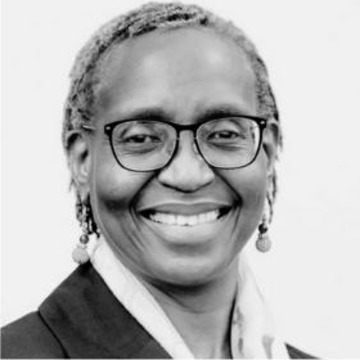 Prof. Elizabeth BukusiKeynote speakerGlobal health leader in research ethics, community engagement and implementation science · Kenya

Errors must be accepted as evidence of system flaws, not character flaws.
Dr. Lucian Leape
From Silence to Safety: Reimagining incident reporting across African health systems
Incident reporting is essential for learning, yet punitive cultures and fear can keep important information hidden. The session maps current reporting practices, the barriers that silence teams and the conditions that encourage transparency.
Participants consider how leadership, psychological safety, feedback loops and practical reporting mechanisms can turn errors into signals for prevention and system improvement.
Speakers and panellists
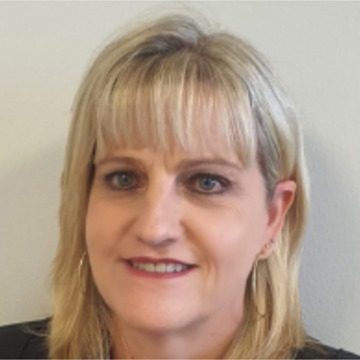 Ronel R. SteinhobelKeynote speakerNational Department of Health · South Africa
 Dr. Rhoda KalonduModeratorQuality & Safety Lead, Kenyatta National Hospital · Kenya
- Dr. Lydia OkutoyiOpening speakerDirector of Healthcare Quality, Kenyatta National Hospital · Kenya
 Ruthpearl Ng’ang’aOpening speakerCo-Founder, ACQUIRE Frontline Healthcare · Kenya
- Dr. Eyobed KalebPanellistHealthcare quality leader · Ethiopia
- Dr. Selina DusseyPanellistHealthcare quality leader · Ghana
- Dr. Olanrewaju Olatunji SulaimonPanellistHealthcare quality leader · Nigeria
 Lavender AdhiamboPanellistPatient-safety and quality advocate · Kenya
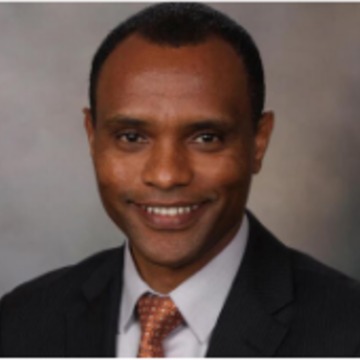 Dr. Esayas Kebede (Gudina)PanellistHealthcare quality leader · Ethiopia

In time, QI should become a basic skill like cardiopulmonary resuscitation; one that all health professionals acquire early in their training.
Training Healthcare Professionals in Quality Improvement (PMC, 2019)
Strengthening Capacity for Quality: Training needs analysis in quality improvement
Safer, people-centred care depends on a workforce that can recognise problems, test change and learn from evidence. This session uses training needs analysis to identify where knowledge and practice gaps exist across pre-service, postgraduate and in-service education.
Findings from a Kenyan multi-site study point towards shared action by training institutions, regulators and ministries to build a workforce ready to lead improvement.
Speakers and panellists
 Peter MutandaKeynote speakerHealthcare Quality Improvement Specialist · Kenya
 Dr. Carolyne MukuhaSession leadIndependent Healthcare Quality Consultant · Kenya
 Dr. Kennedy RatengPanellistKenya Medical Training College · Kenya
 Dr. Rodney AdamPanellistAga Khan University · Kenya
 Prof. Daniel OjukaPanellistUniversity of Nairobi · Kenya
 Dr. Peris KiariePanellistAIC Kijabe Hospital, College of Health Sciences · Kenya
 Dr. Maureen TshabalalaPanellistInstitute for Healthcare Improvement
 Irene OgongoPanellistNia Healthcare Consulting · Kenya
Co-production is about levelling hierarchies and sharing risk and responsibility. Good co-production will always contain elements of lived experience.
Anthony O’Connor, Patient Safety Learning Consultant
From Quality Assurance to Quality Improvement to Co-Production: A journey every healthcare worker should take
Quality assurance establishes standards and protects patients, but reliable everyday care requires more than compliance. Quality improvement adds team-led learning, measurement and testing; co-production brings patients, families and communities into the work as partners.
The session follows this continuum and considers how power, culture, local knowledge and leadership shape whether improvement becomes meaningful and sustainable.
Speakers and panellists
 Dr. Faith LeleiModeratorDirector, Satellites, AIC Kijabe Hospital · Kenya
 Dr. Oluwadamilola MattiModeratorExecutive Manager, Society for Healthcare Quality in Nigeria · Nigeria
- Dr. Peter LachmanSpeakerInternational healthcare quality and safety leader

The promise of AI in healthcare is not to make us superhuman but to make us more human by freeing us from tasks that machines can do better.
Atul Butte
Exploring Generative AI’s Role in Quality of Care: Human-centred communication, consent and care
Generative AI is beginning to reshape clinical work and communication. This interdisciplinary conversation focuses on responsible uses that support—not replace—the relationships at the centre of healthcare.
Particular attention is given to under-resourced settings and moments that demand clarity, compassion and collaboration, alongside the ethical safeguards needed to protect dignity, consent and trust.
Speakers and panellists
 Dr. Mike MulongoModeratorHealth financing and health-systems strengthening leader
 Dr. Robert KoromPanellistChief Medical Officer, Penda Health · Kenya
 Peter NguhiuPanellistHealth economics and health-systems researcher · Kenya
 Prof. Stephen MuhudhiaPanellistBioethics and patient-dignity specialist · Kenya
 Dr. Sarah KiptinessPanellistPenda Health · Kenya

The use of poster presentations is an ideal opportunity to disseminate research findings and clinical innovations.
Phil Halligan, 2007
Celebrating Frontline Innovation: Scientific poster presentations on quality improvement
Across Africa, healthcare workers are improving safety and patient experience through practical local innovation. Much of this work remains undocumented, limiting recognition and shared learning.
Scientific posters offer a pathway from practice to publication: helping frontline teams make their methods visible, exchange lessons and strengthen a culture of inquiry and continuous improvement.
Speakers and panellists
 Dr. Oduor OtienoSession leadQuality Improvement Advisor, Systems Evaluation Ltd · Kenya
 Dr. Sabelile TenzaSpeakerQuality & Safety Researcher, North-West University · South Africa
 Dr. Elom OtchiSpeakerTechnical Director, Africa Institute of Healthcare Quality, Safety & Accreditation
Forum overview
Eight connected conversations. One shared commitment to safer care.
- 01Turning the Global Patient Safety Action Plan into action
- 02ALearning from patient and provider stories
- 02BEquipping teams to practise co-production
- 03Building transparent, learning-led incident reporting
- 04Strengthening quality improvement capability
- 05Moving from assurance to shared ownership
- 06Using AI to support human-centred care
- 07Making frontline innovation visible